On May 19, 2026, Assistant Professor Liyuan Wang’s group from the Department of Psychological and Cognitive Sciences at Tsinghua University, in collaboration with co-authors, published an online research paper titled "Spacing effect improves generalization in biological and artificial systems" in Patterns, a journal under Cell Press. The paper has been selected as the cover article for the June 2026 issue.
This study addresses one of the most core questions in intelligent systems: how to generalize prior experiences to new, similar but not entirely identical contexts. The research team discovered that combining an appropriate learning interval with a suitable intensity of variation significantly enhances generalization capabilities in both biological learning and artificial neural network training. This finding uncovers a universal computational principle that bridges biological and machine learning.
Background and the Spacing Effect
Generalization capability is widely considered the ultimate touchstone of whether learning is truly effective. While biological intelligence is generally capable of robust generalization based on limited experience, artificial intelligence systems, despite rapid progress driven by large-scale data training, still face a critical bottleneck in generalization when confronting new scenarios and tasks, which restricts their reliable application.
In the study of biological learning and memory, a classic and robust phenomenon is known as the "spacing effect": spacing out repetitive learning sessions over time yields better retention and outcomes compared to massed, dense training over a short duration. A prominent yet under-verified hypothesis behind this phenomenon suggests that spaced training helps integrate sensory input variations and internal state fluctuations across different time points, thereby forming learning representations with superior generalization performance.
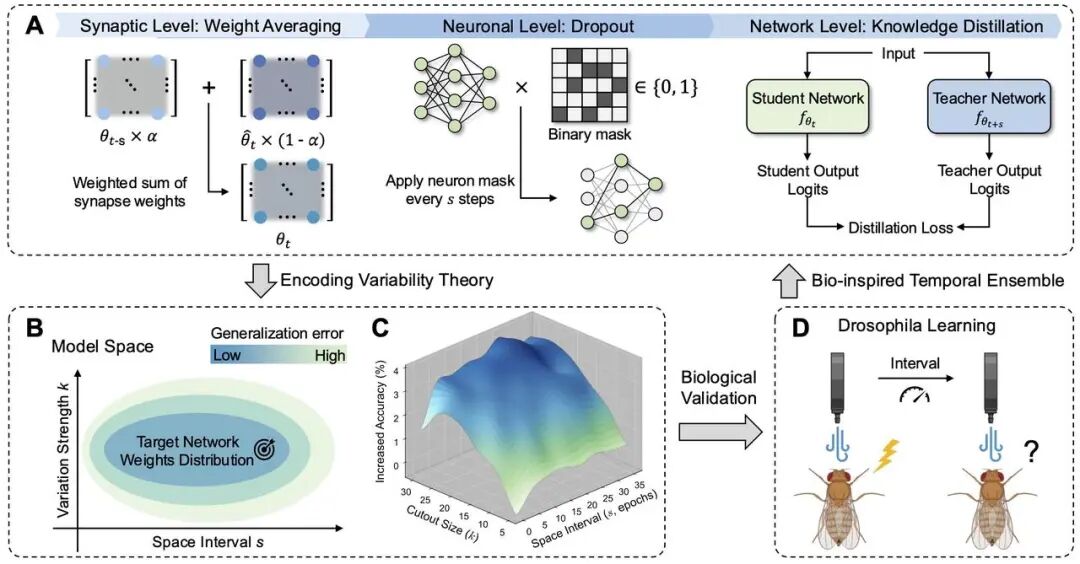
(Figure 1: Encoding variability theory of the spacing effect enhancing generalization)
Generalization Enhancement in Artificial Neural Networks
Driven by this hypothesis, the research team systematically introduced the "spacing effect" into artificial neural networks (ANNs). They developed a bio-inspired temporal ensemble strategy across three distinct levels:
1.Neuronal Level: Modulating fluctuations in neuronal activity using structured dropout.
2.Synaptic Level: Integrating network parameters across different training iterations via spaced parameter averaging.
3.Network Level: Introducing cross-temporal teacher-student supervision through online knowledge distillation and self-distillation.
The study revealed a consistent pattern across various benchmark datasets, network architectures, and temporal ensemble strategies: both the intensity of variation and the update interval exhibit a stable inverted U-shaped relationship with generalization performance. In other words, a variation that is too small fails to introduce effective diversity, whereas an excessively large variation disrupts training stability. The combination of an optimal variation magnitude and a well-timed interval yields the highest performance on testing datasets.
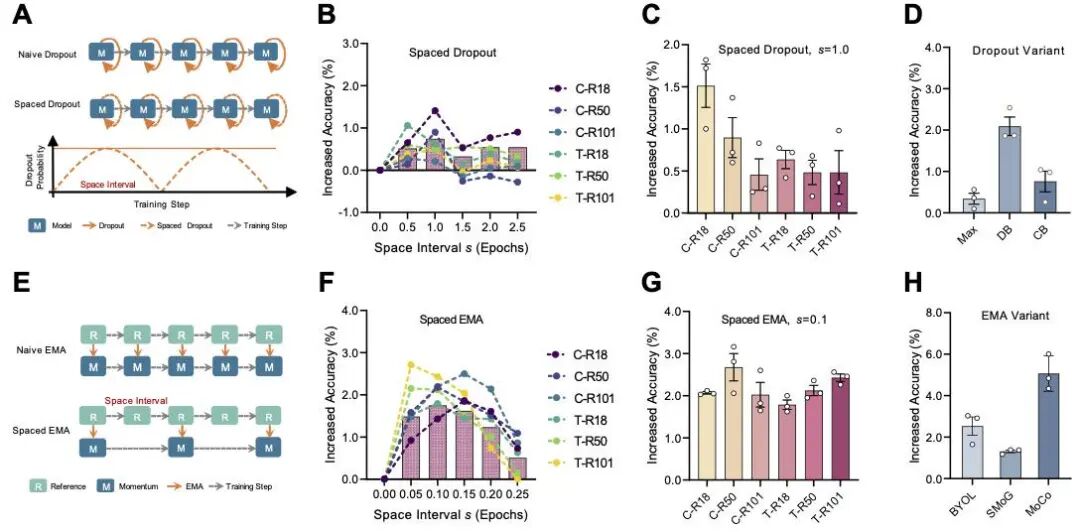
(Figure 2: Generalization-enhancing effects of ensemble learning in artificial neural networks)
Biological Validation in Drosophila Learning
To move a step further, the research team brought these computational findings back to a biological system for validation. Utilizing the classic olfactory associative learning paradigm in Drosophila (fruit flies), they systematically investigated whether the time intervals between training trials, alongside the trial-to-trial variations in sensory inputs during training, jointly affect memory generalization.
The experimental results indicated that:
·Short-term memory tests: Different training intervals had a limited impact on generalization.
·24-hour delayed memory tests: Training with appropriate spaced intervals significantly enhanced the fruit flies' generalized memory of similar odors.
Furthermore, keeping the overall training task constant while introducing trial-to-trial variations in sensory inputs alone significantly improved the generalization performance of the fruit flies. Crucially, when an "appropriate interval" and "trial-to-trial variation" coexisted, this improvement was further amplified.
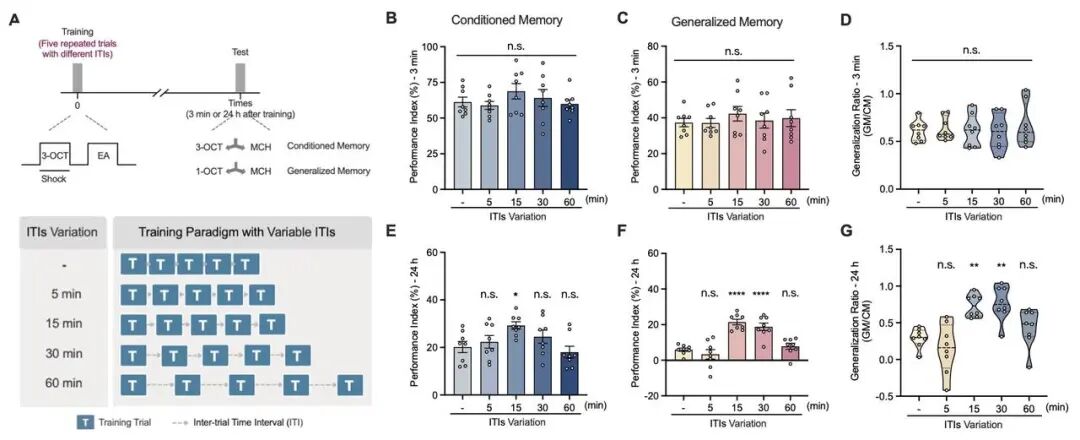
(Figure 3: Generalization-enhancing effects of olfactory associative learning in Drosophila)
Significance and the Promise of NeuroAI
Taken together, these findings reveal a shared computational principle between biological and machine learning: structured, spaced integration of appropriate variations fosters more robust and generalized learning representations. This discovery offers a fresh computational perspective for understanding biological generalization mechanisms and provides valuable inspiration for designing future AI training paradigms. It holds the potential to be extended to research fields such as few-shot learning, continual learning, and adversarial robustness.
At the same time, this study highlights the profound value of NeuroAI (the intersection of Neuroscience and Artificial Intelligence): distilling computational principles from biological learning and memory mechanisms to improve AI, while conversely utilizing ANN experiments to deepen our understanding of biological systems. Through this "bidirectional inspiration," the research team demonstrates that biological and artificial intelligence are not two isolated systems, but instead likely share foundational laws governing learning, memory, and generalization at a deeper level.
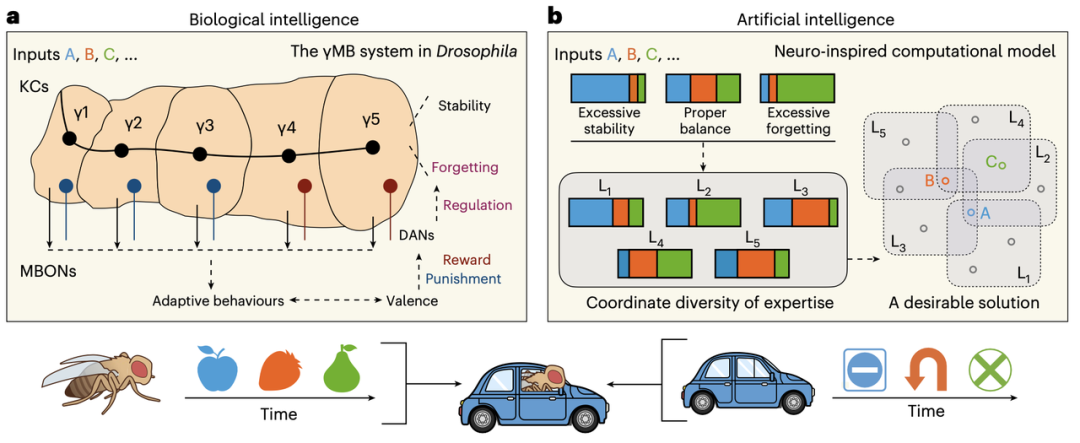
(Figure 4: Continual learning computational model inspired by learning and memory mechanisms in Drosophila [1])
Previous Research Foundations
This study builds upon a series of recent works by the research team centered around continual learning and generalization mechanisms.
·In 2023, the team published a cover article in Nature Machine Intelligence [1], which proposed a computational model for continual learning in ANNs inspired by the Drosophila learning and memory system. The paper emphasized that continual learning must not only mitigate catastrophic forgetting but also achieve strong generalization over dynamic data distributions.
·Also in 2023, the team published a study in eLife [2], establishing a behavioral paradigm for fruit flies to continuously learn multiple olfactory classification tasks. They discovered that task similarity and temporal intervals jointly influence how the system integrates or segregates distinct experiences: highly similar, closely timed tasks are more easily integrated to promote generalization, whereas tasks with greater differences and longer intervals are easily separated to suppress interference.
Building on top of these milestones, the latest study provides a systematic characterization of temporal intervals and variation intensities, revealing how the two interact to govern the temporal generalization capabilities of both biological and artificial intelligence.
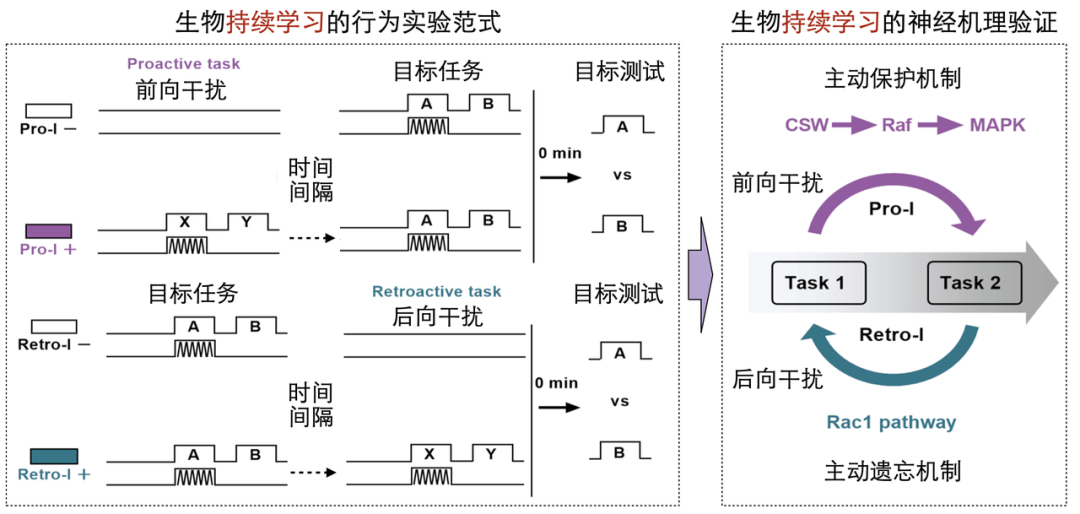
(Figure 5: Sequential task learning paradigm and biological mechanism validation in Drosophila [2])
Authorship and Funding
·Corresponding Author: Assistant Professor Liyuan Wang (Department of Psychological and Cognitive Sciences, Tsinghua University).
·Co-First Authors: PhD student Guanglong Sun and Postdoctoral Fellow Ning Huang (School of Life Sciences, Tsinghua University).
·Co-Authors: PhD students Hongwei Yan and Jun Zhou (School of Life Sciences, Tsinghua University), Associate Professor Qian Li (School of Medicine, Shenzhen Campus of Sun Yat-Sen University), Research Fellow Bo Lei (Beijing Academy of Artificial Intelligence), and Professor Yi Zhong (School of Life Sciences, Tsinghua University).
Links and References
·Paper Link: https://www.cell.com/patterns/fulltext/S2666-3899(26)00073-5
References:
·[1] Liyuan Wang, Xingxing Zhang, Qian Li, Mingtian Zhang, Hang Su, Jun Zhu, Yi Zhong. Incorporating Neuro-inspired Adaptability for Continual Learning in Artificial Intelligence. Nature Machine Intelligence, 2023.
·[2] Jianjian Zhao, Xuchen Zhang, Bohan Zhao, Wantong Hu, Tongxin Diao, Liyuan Wang, Yi Zhong, Qian Li. Genetic Dissection of Mutual Interference between Two Consecutive Learning Tasks in Drosophila. eLife, 2023.
Faculty Profile:
Liyuan Wang
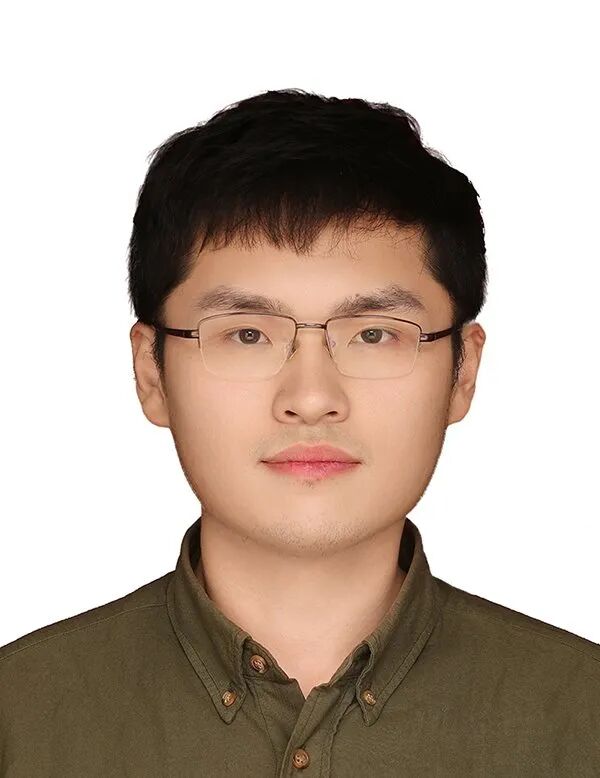
Position: Assistant Professor, Doctoral Advisor, Department of Psychological and Cognitive Sciences, Tsinghua University
Research Area: The intersection of Machine Learning and Neuroscience